 (Image source: Gemini)
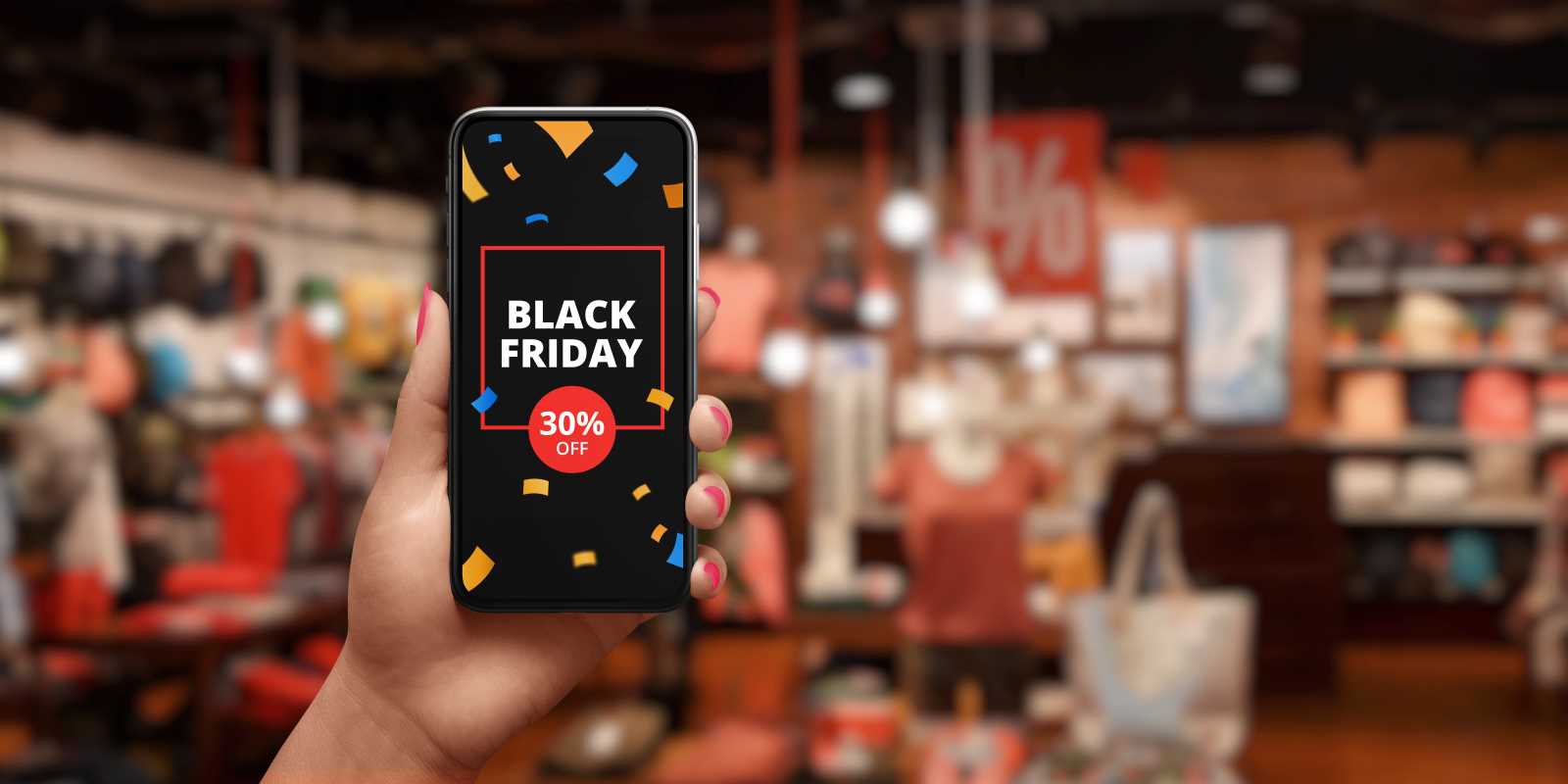
 Smart spending in 2026 is less about being cheap and more about being a pro. It's a shift from mindless consumption to what experts call purposeful purchasing. Instead of starting with a brand you love and hunting for a discount, you start with a fixed budget and let the value dictate your choices. It's a flipped decision tree that puts you back in control of your money. If you adopt a deal-first mindset for your recurring expenses, you'll find that saving money becomes a game you can actually win. What does this look like in practice? It means setting realistic goals, like saving an extra hundred dollars a month, and using the high-tech tools available to make it happen without the stress.
Mastering Digital Tools and Browser Extensions
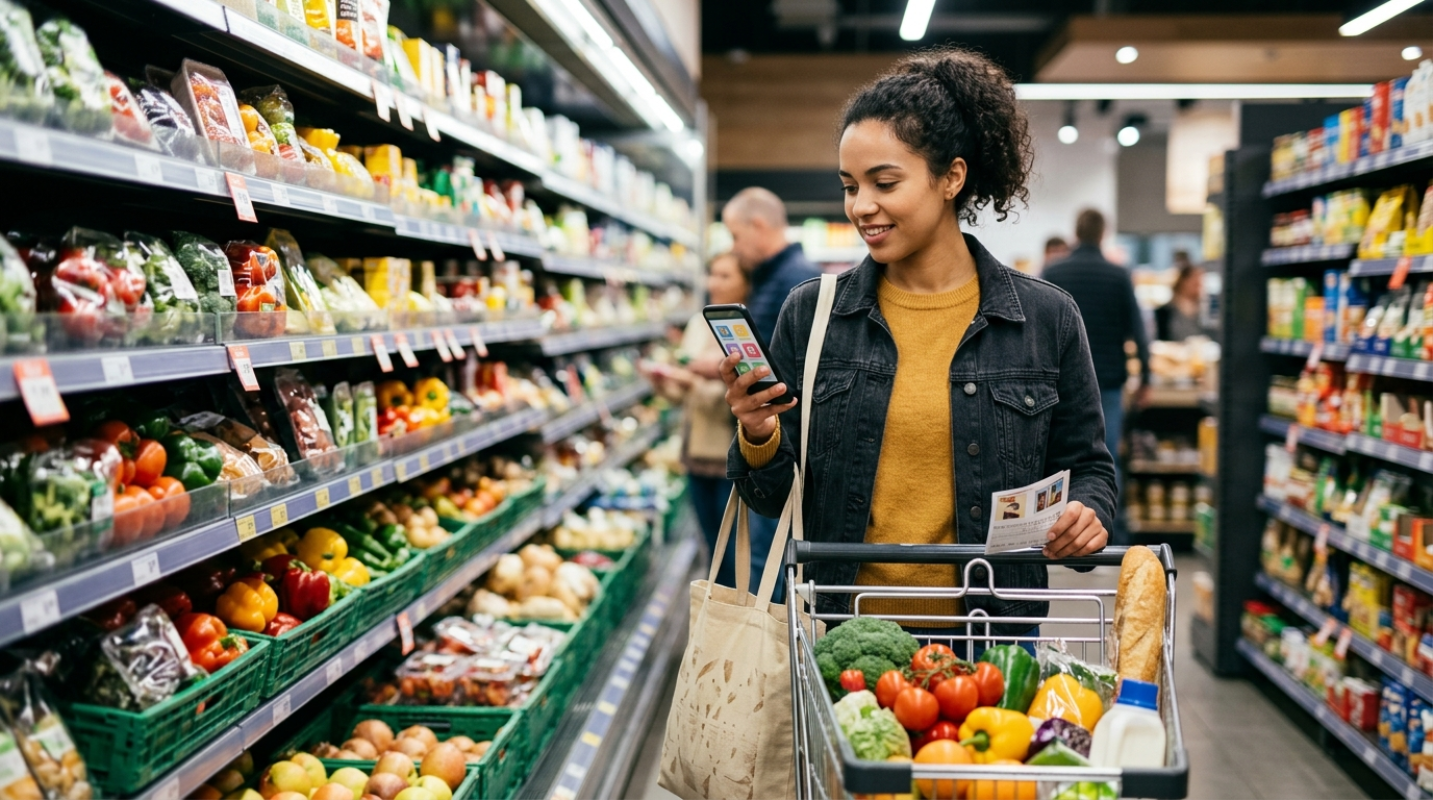
Gone are the days of sitting at the kitchen table with a pair of scissors and a stack of Sunday newspapers. Today, your greatest allies are AI-driven assistants and browser extensions that do the heavy lifting for you. Have you tried using tools like Amazon Rufus or Walmart’s Sparky? These are agentic shopping assistants that don't just find products. They track price drops, pre-fill your digital cart, and can even automate a purchase when an item hits your target price.¹
For those who prefer a bit more manual control, browser extensions like Karma and Keepa are needed. Karma is the all-in-one champion for 2026 because it combines price tracking with automatic coupon application and cashback. If you're an Amazon regular, Keepa is the tool you need. It shows you the entire price history of an item so you can see if a "sale" is actually a good deal or just a temporary dip from an artificially inflated price.
One of the best ways to avoid impulse buying is to set a 20 percent sweet spot alert. When you find something you want but don't immediately need, set an alert for 20 percent below the current price. This filters out the minor one-dollar fluctuations and make sures you only get notified when a significant promotional event occurs. It turns your browser into a defensive shield for your savings.
Strategic Timing
Do you know why some people always seem to get the best deals? It's usually because they understand the 12-week sales cycle. Most grocery and household items follow this rhythm. If you see a rock-bottom price on laundry detergent or canned goods, that's your signal to stock up for three months. If you buy just enough for the week, you'll likely be forced to pay full price when you run out before the next sale hits.
There's also a significant mid-week shopping advantage. Most retailers update their digital coupons and start new sales on Wednesdays or Thursdays. If you're shopping on a Sunday afternoon, you're fighting the crowds and picking through the leftovers of the week's best deals. By shifting your schedule, you avoid the convenience tax that comes with weekend shopping.
Planning your purchases around major retail events is another way to dodge unnecessary costs. Whether it's a seasonal transition or a holiday weekend, there's almost always a better time to buy. If you can wait three weeks before buying a non-urgent item, you'll have enough data to recognize a genuine sale. This 3-week rule is a simple way to make sure you never pay the "I need it right now" premium.
Stacking Savings Loyalty Programs and Cash Back Apps
If you want to see massive results, you have to learn the art of discount stacking. This is the practice of layering multiple incentives on a single purchase. Experts often call this the Triple Threat stack, and it can reduce your costs by 50 to 90 percent.
Think of it like a recipe. First, you wait for a store sale, like a Buy One Get One (BOGO) event. Second, you apply a digital manufacturer coupon from the store's app. Third, after you've made the purchase, you scan your receipt into a cashback app like Ibotta or Rakuten for a final rebate. When you combine these three layers, you're often paying pennies on the dollar for items you use every day.
Retailer-specific programs make this even easier. Like, at Target, you can stack a Target Circle offer with a manufacturer coupon and your 5 percent RedCard discount. At Kroger, you can participate in "Mega Events" where you save a specific dollar amount for buying a certain number of items, then stack those savings with digital coupons. It takes an extra two minutes of clicking in an app, but the cumulative impact is huge.
The Negotiated Purchase
Did you know that the price you see online isn't always the final price? One of the most effective approaches for online shopping is the abandoned cart method. If you're logged into a site, add the items to your cart and then simply close the tab. Within 24 to 48 hours, many retailers will email you a "Did you forget something?" discount code to entice you to finish the purchase.
You should also never be afraid to use customer service chats. A simple script can save you ten or fifteen percent. Try saying something like, "Hi, I'm about to complete my purchase, but I was wondering if there are any active promotional codes or free shipping offers I might have missed?" More often than not, the representative will give you a code just to close the sale.
This works for price matching, too. Tools like ShopSavvy allow you to scan a barcode in a physical store to see if a nearby competitor has a lower price. Many big-box retailers will match that price on the spot if you show it to them on your phone. It's a quick way to make sure you're getting the best deal without driving all over town.
Building Saving Habits
The goal of these approaches isn't just to save five dollars today. It's to build a lifestyle of financial awareness. When you start tracking unit prices instead of sticker prices, you'll notice things like shrinkflation and skimpflation. Shrinkflation is when a brand keeps the price the same but makes the package smaller, while skimpflation involves using cheaper ingredients to save money.³
To combat this, always look at the price per ounce or price per sheet. Switching to store brands, like Costco’s Kirkland or Kroger’s Simple Truth, can save you an average of 20 to 25 percent because these private labels are less likely to downsize their packaging as frequently as name brands.⁴
A household that fully uses digital coupons and price tracking can save an average of $1,465 per year.⁵ That's not just pocket change; that's a vacation, a boosted emergency fund, or a significant dent in a credit card balance. By moving away from the "false economy" of buying cheap, low-quality items that break quickly and focusing on strategic, high-value purchases, you'll find that your money goes much further than it ever has before.
This article on dealsdeck is for informational and educational purposes only. Readers are encouraged to consult qualified professionals and verify details with official sources before making decisions. This content does not constitute professional advice.


.jpg)